Oud oil distillation & sourcingFrom forest knowledgeto copper-still precision.
Where it begins
Mature trees, real resin.
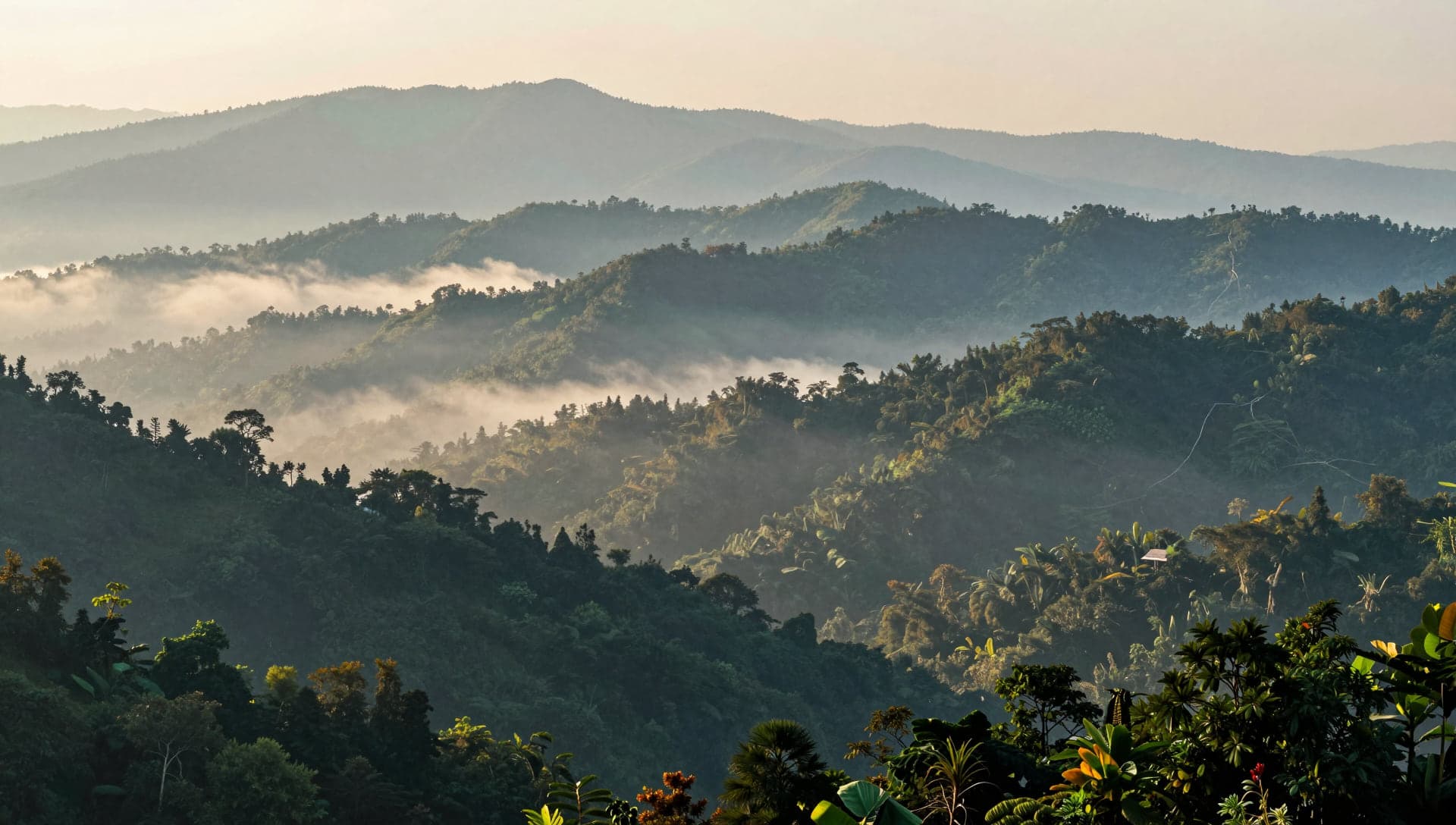
Agarwood forms when an Aquilaria malaccensis tree responds to injury and infection by laying down a dark, fragrant resin. It takes years. The trees our partners select are typically 30–40 years old.
Assam has been the centre of India's agarwood trade for generations, much of it from homestead gardens and plantations. Nagaland's smaller output is known for deep, smoky profiles.
Selective grading
Only resin-rich wood goes into our premium lots; lighter material is kept separate.
Grower partnerships
Local knowledge guides identification, timing and handling of every harvest lot.
Legal origin
Export lots are drawn from sources that can be documented under India's agarwood export rules.
Lot discipline
Wood, still runs and oil are tracked by lot so the origin of every bottle stays clear.
Hydro-distillation
Six steps. No shortcuts.
- Step 1
Milling
Graded wood is chipped and milled to open the resin channels.
- Step 2
Soaking
The wood soaks in water for days, softening it for extraction.
- Step 3
Loading
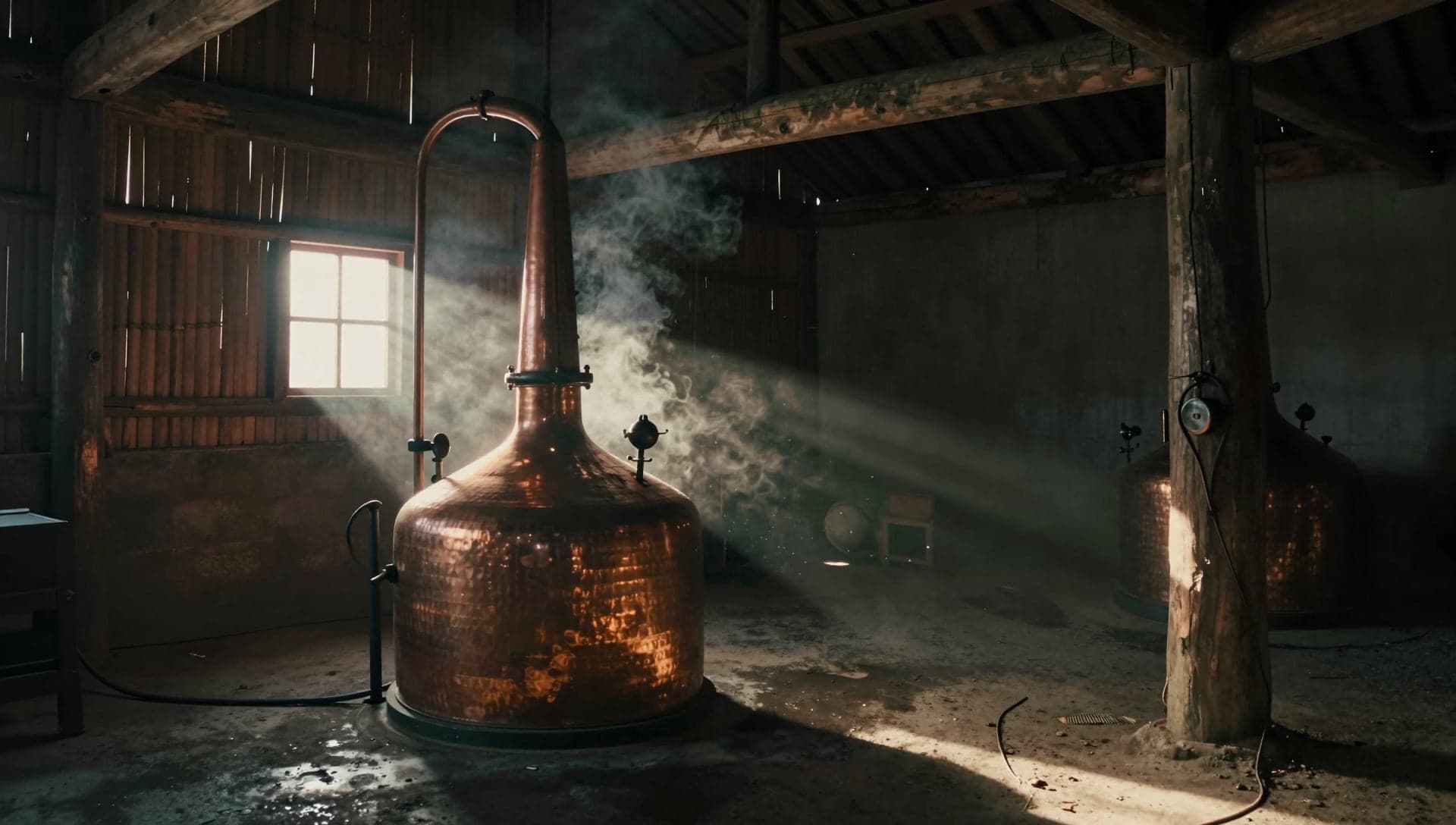
Soaked wood and fresh water go into hand-built copper pot stills.
- Step 4
Slow heat
A gentle, controlled boil runs for roughly 30–90 hours, lot by lot.
- Step 5
Condensing
Aromatic vapour condenses; the oil separates naturally from the water.
- Step 6
Collection
Viscous, amber oil is collected, settled, filtered and given its batch ID.
Why it matters
Low yield is the point.
0.25%
Upper end of typical hydro-distillation yield. Most of the wood becomes spent charcoal.
90 h
The longest runs pull out the heavy fractions that give Hindi oud its depth and staying power.
H₂O
Water and heat only. No solvents, so the wood's chemistry reaches the bottle intact.
Begin witha single gram.
Evaluate a 1 g sample from a documented lot, then order bulk to the same standard. Tell us what you need and we will come back with lots, documents and terms.